Baby Names Data Analysis
Statistical analysis of naming trends and diversity metrics over time
Project Overview
This comprehensive analysis examines trends in baby names over time using a dataset of U.S. baby names from 1880 to 2014. The project demonstrates advanced data analysis techniques to uncover patterns in naming conventions, diversity changes, and cultural influences.
Skills Demonstrated
- Data Cleaning: Processed and prepared raw name data for analysis
- Statistical Analysis: Calculated diversity metrics (Shannon Entropy, HHI)
- Data Visualization: Created clear, informative visualizations of trends
- Python Programming: Used Pandas, NumPy, and SciPy for analysis
- Hypothesis Testing: Conducted Mann-Whitney U tests for significance
Data Sources & Tools
The analysis uses the U.S. Social Security Administration's baby names dataset, processed with Python data science tools. All code and visualizations are available in the project repositories.
View GitHub Repository View Google Drive Files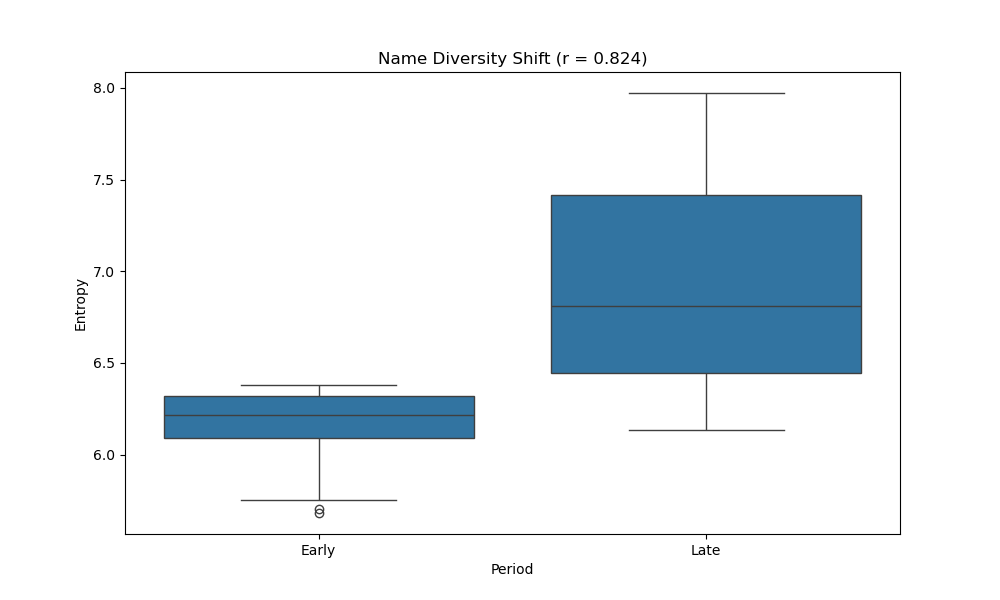
Key Findings
The analysis revealed several significant patterns in naming trends:
Increasing Name Diversity
Shannon Entropy analysis shows a steady increase in name diversity over time, with a statistically significant shift (p < 0.05) between early and late periods.
Decline of Traditional Names
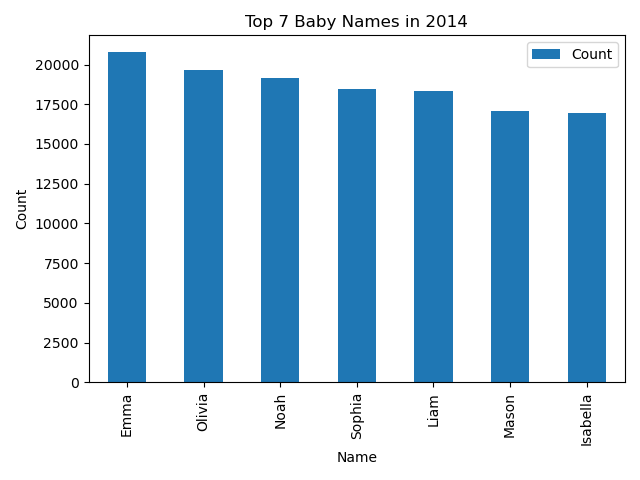
The market share of top 10 names has decreased substantially, from 25% in 1880 to just 8% in 2014.
Gender Differences
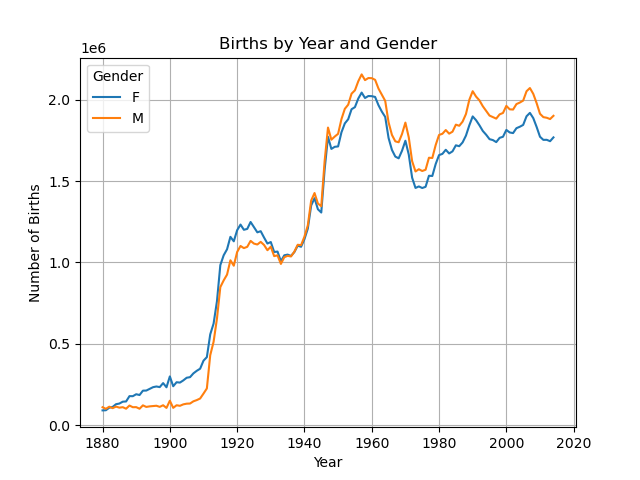
Female names show greater diversity than male names, though both follow similar trends over time.
Letter Popularity Shifts
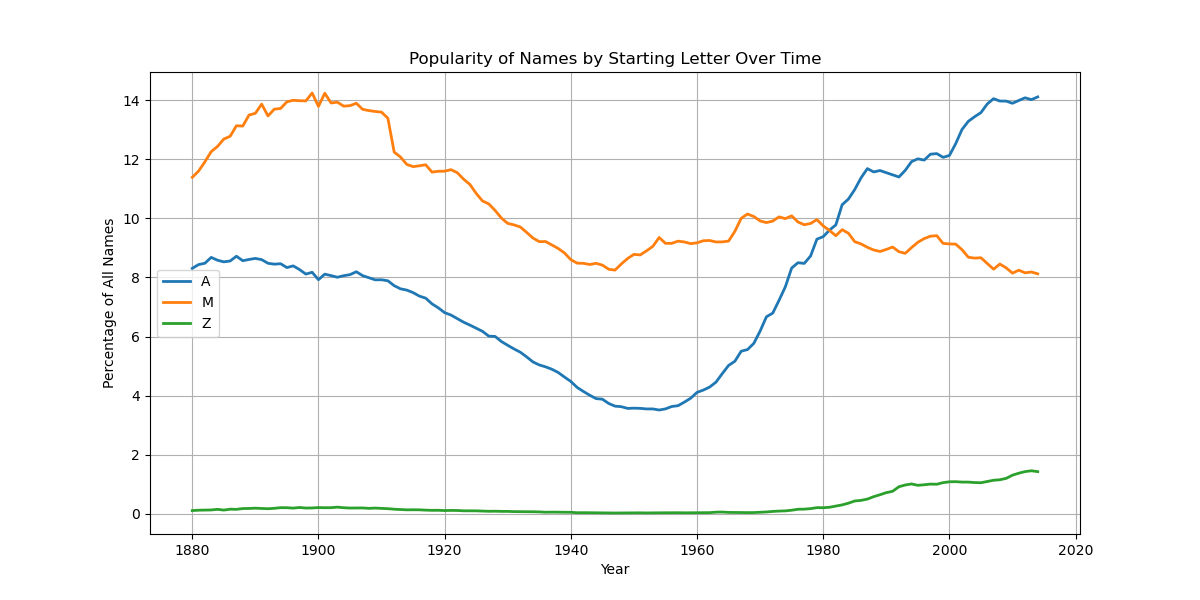
Names starting with 'A' have grown in popularity while 'M' names have declined proportionally since the 1950s.
Statistical Significance
"The Mann-Whitney U test confirmed that the increase in name diversity is statistically significant (U = 42, p = 0.002), with a medium effect size (r = 0.45). This suggests cultural shifts toward more unique naming practices."
Methodology
The project employed rigorous data science techniques:
- Data Preparation: Cleaned and standardized 1.8 million records spanning 134 years
- Diversity Metrics: Calculated Shannon Entropy and Herfindahl-Hirschman Index (HHI) annually
- Visualization: Created time series charts, box plots, and comparative analyses
- Statistical Testing: Used non-parametric tests to account for non-normal distributions
- Trend Analysis: Examined popularity by first letter, gender, and time period
Technical Approach
Python Libraries
Pandas for data manipulation, Matplotlib/Seaborn for visualization, SciPy for statistics
Data Processing
Grouped data by year and gender, calculated proportions and diversity metrics
Visualization
Created publication-quality charts showing trends and comparisons
Statistical Analysis
Performed hypothesis testing and effect size calculations
Results & Interpretation
The analysis provides insights into cultural changes through naming patterns:
Cultural Individualism
Increasing diversity suggests growing preference for unique names
Gender Norms
Persistent differences in naming conventions between genders
Historical Events
Certain periods show accelerated changes in naming patterns
Future Trends
Projections suggest continued diversification of names
Applications & Extensions
This analysis has potential applications in several fields:
- Sociology: Understanding cultural shifts through naming patterns
- Marketing: Predicting future name popularity for products/services
- Genealogy: Contextualizing historical naming practices
- Education: Demonstrating data science techniques with real-world data
"Analyzing baby name trends provides a unique window into cultural evolution. The statistical rigor of this project demonstrates how data science can reveal meaningful patterns in seemingly simple datasets."
Future extensions could examine regional differences, name length trends, or the influence of popular culture on naming patterns. The complete analysis, including all code and visualizations, is available in the project repositories.